Your Journey to Fluency: Unlocking German with Diverse Resources
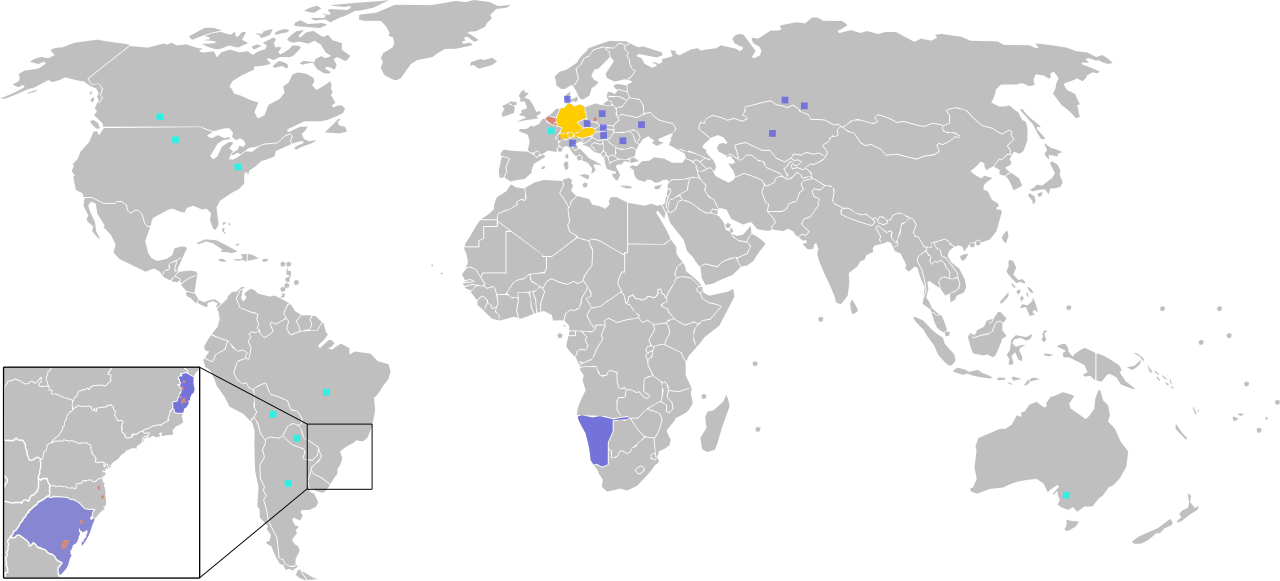
Embarking on the adventure of learning German opens up a world of opportunities, from rich cultural experiences and historical insights to professional growth in a vibrant economic landscape. German, a language spoken by over 100 million people worldwide, is known for its precise grammar and expressive vocabulary, but don't let its reputation intimidate you. With the right approach and a wealth of available resources, achieving fluency is an attainable and incredibly rewarding goal.
Gone are the days when language learning was confined to dusty textbooks and classroom drills. Today, the digital age offers an unprecedented array of tools, from structured online courses and interactive apps to the surprisingly effective insights gleaned from authentic, everyday interactions. In this comprehensive guide, we'll explore both traditional and modern pathways to mastering German, highlighting resources and tips that will help you connect with the language in meaningful ways – perhaps even finding inspiration in unexpected places, like from a captivating german twitch grandma!
Why Learn German? More Than Just a Language
The decision to learn German is a choice with multifaceted benefits. Economically, Germany boasts the largest economy in Europe and is a global leader in innovation, engineering, and various industries. Fluency in German can significantly enhance career prospects, opening doors to international companies, research positions, and academic opportunities. Culturally, German is the language of philosophers like Kant and Nietzsche, literary giants like Goethe and Kafka, and musical masters like Bach and Beethoven. Learning German provides direct access to these profound works in their original form, enriching your understanding and appreciation.
Beyond these established advantages, German offers a unique gateway to understanding European history and contemporary society. It's an official language in Germany, Austria, Switzerland, Luxembourg, and Liechtenstein, and a recognized minority language in several other countries. Traveling through these regions becomes a far more immersive experience when you can converse with locals, understand regional nuances, and navigate independently. Moreover, the process of learning German itself is a fantastic exercise in cognitive development, improving problem-solving skills and fostering a greater appreciation for linguistic structure. To delve deeper into the core components, check out our related article: Master German: Essential Grammar & Vocabulary.
Building Your Foundation: Grammar, Vocabulary & Pronunciation
Every language journey begins with building a strong foundation, and German is no exception. A systematic approach to grammar, vocabulary, and pronunciation is crucial for sustained progress.
- Grammar Fundamentals: German grammar, while sometimes perceived as complex with its cases (nominative, accusative, dative, genitive), gendered nouns, and verb conjugations, is also remarkably logical and consistent. Start with the basics: noun genders (der, die, das), common verb conjugations (present tense), sentence structure, and the four cases. Consistent practice with exercises and explanations is key. Online resources and textbooks offer structured lessons that break down these concepts into manageable chunks.
- Vocabulary Acquisition: Building a robust vocabulary is fundamental. Focus on high-frequency words and phrases initially. Flashcards (digital or physical), spaced repetition systems (SRS) like Anki, and themed vocabulary lists are highly effective. Try to learn words in context rather than in isolation, perhaps by associating them with images or short sentences. Immerse yourself in authentic German content to naturally pick up new words.
- Pronunciation Practice: German pronunciation is generally phonetic, meaning words are pronounced largely as they are written. Pay attention to common sounds like 'ch', 'ei', 'ie', 'sch', 'sp', 'st', and the dreaded Umlauts (ä, ö, ü). Listen extensively to native speakers and try to mimic their intonation and rhythm. Recording your own voice and comparing it to native speech can be incredibly helpful for self-correction.
Consistency is paramount. Dedicate a specific amount of time each day, even if it's just 15-20 minutes, to reviewing these foundational elements. Regular exposure reinforces learning and prevents forgetting. For a broader understanding of the language's unique characteristics, consider reading: Unlocking German: Key Facts for Language Learners.
Beyond Textbooks: Immersive & Unconventional Learning Resources
While traditional resources provide structure, true fluency blossoms through immersion and engagement with authentic materials. The digital age has revolutionized how we can interact with a target language:
Leveraging Traditional Media
- German Music: Explore German music from various genres – pop, rock, folk, classical. Listen to lyrics, look up translations, and sing along. Artists like Rammstein, Nena, Herbert Grönemeyer, and bands from the Neue Deutsche Welle era offer diverse linguistic and cultural insights.
- German Films & TV Shows: Start with films or series with German audio and English subtitles, then transition to German subtitles, and eventually no subtitles. Platforms like Netflix, Amazon Prime, and regional German streaming services (often accessible via VPN) offer a vast library. Popular choices include "Dark," "Deutschland 83," "Babylon Berlin," and classic German cinema.
- Podcasts & Audiobooks: Excellent for improving listening comprehension and vocabulary. Many podcasts are specifically designed for German learners, while others cover general topics, current events, or storytelling for native speakers.
- German News & Blogs: Reading German news outlets like Deutsche Welle (DW), Spiegel Online, or Süddeutsche Zeitung exposes you to current affairs and formal language. Blogs on topics of interest can make reading more enjoyable and relatable.
The Rise of Digital & Interactive Platforms
Language learning apps (Duolingo, Memrise, Babbel) offer gamified learning and daily practice. Online communities and forums connect learners globally. Virtual exchange programs provide opportunities for tandem language practice with native speakers. However, some of the most authentic and dynamic learning experiences can come from less conventional sources.
Learning from a German Twitch Grandma: A Modern Immersion Approach
In our increasingly connected world, language learning isn't just about formal lessons; it's about connecting with real people and authentic conversations. This is where the concept of a "german twitch grandma" comes into play. While perhaps not a traditional language learning resource, the idea represents a powerful, often overlooked avenue for immersive learning: engaging with native German speakers in their natural online habitats.
Imagine finding a delightful German grandmother streaming her daily life, cooking, gardening, playing casual games, or simply chatting with her community on Twitch or YouTube. Why is this valuable?
- Authentic, Unscripted Language: Unlike meticulously designed language lessons, a "german twitch grandma" (or any native German streamer/YouTuber) provides real-time, unscripted language. You'll hear natural speech patterns, colloquialisms, slang, fillers, and regional accents that textbooks rarely cover.
- Cultural Context: Streams offer a window into everyday German culture, hobbies, humor, and social interactions. This contextual understanding is crucial for true fluency and cultural competence.
- Passive Immersion: Even if you don't understand every word initially, consistent exposure helps your brain recognize sounds, intonation, and common phrases. It's a form of passive immersion that complements active study.
- Community & Interaction: Many streamers interact with their chat. Engaging (even with simple German phrases) can provide real-time feedback and build confidence in a low-pressure environment. It humanizes the language.
- Motivation & Fun: Learning from an engaging personality, especially one as endearing as a hypothetical "german twitch grandma," can be incredibly motivating and enjoyable, making the learning process feel less like a chore.
To effectively use such resources, start by listening actively. Don't worry about understanding everything. Focus on context, recurring phrases, and intonation. Look up words you hear frequently. Over time, you'll find your comprehension growing surprisingly quickly, proving that sometimes, the most unexpected sources offer the richest learning experiences.
Practical Tips for Effective German Learning
Regardless of the resources you choose, integrating practical learning strategies will accelerate your progress:
- Set SMART Goals: Make your goals Specific, Measurable, Achievable, Relevant, and Time-bound. Instead of "learn German," try "be able to hold a 5-minute conversation about my hobbies in German by Christmas."
- Practice Speaking Regularly: This is often the most challenging but most crucial step. Find a language partner, join a conversation group, or hire a tutor. Don't be afraid to make mistakes – they are part of the learning process.
- Label Your Environment: Label objects around your house with their German names (and genders!).
- Think in German: Start by narrating simple actions or observations in your head in German.
- Embrace Mistakes: Perfectionism can be a roadblock. Embrace errors as learning opportunities.
- Stay Curious: Explore German culture, history, and current events. The more you connect with the language's context, the more motivated you'll be to learn.
- Travel (If Possible): Even a short trip to a German-speaking country can be a powerful motivator and immersion experience.
Conclusion
Learning German is a journey, not a race. It requires dedication, curiosity, and a willingness to explore various learning avenues. From the structured grammar lessons of traditional courses to the spontaneous charm of engaging with a german twitch grandma or other authentic online content creators, every resource plays a role in building your fluency. Embrace the process, celebrate small victories, and remember that every word learned, every sentence spoken, and every authentic interaction brings you closer to mastering this beautiful and impactful language. Viel Erfolg!