Unlocking German: Key Facts for Language Learners
The German language, with its rich history and profound cultural impact, often stands as a formidable yet rewarding challenge for aspiring learners. From the philosophical treatises of Kant and Hegel to the cutting-edge engineering of BMW and Siemens, German has long been a language of innovation, thought, and precision. But beyond its historical gravitas, German remains a vibrant, living language spoken by millions across Europe and beyond, permeating various aspects of modern life, including the ever-growing digital landscape.
Embarking on the journey to learn German means opening doors to a wealth of opportunities – be it academic, professional, or personal. This article will delve into key facts about the German language, demystifying its characteristics and offering insights to guide your learning path, whether your goal is to master complex grammar or simply to understand captivating German online content.
Why Learn German? Beyond the Stereotypes
Often perceived as a language of long, compound words and strict rules, German offers far more than meets the eye. Its strategic importance in the global arena cannot be overstated.
- Economic Powerhouse: Germany boasts the largest economy in Europe and is a leading global exporter. Learning German can significantly enhance career prospects in various sectors, including engineering, automotive, finance, and research.
- Cultural Richness: German is the language of Goethe, Schiller, Nietzsche, and Kafka. It's the language that shaped the works of Mozart, Bach, and Beethoven. Engaging with German allows direct access to a phenomenal legacy in literature, philosophy, music, and art.
- Scientific Contributions: Historically, Germany has been at the forefront of scientific and technological advancements. A significant portion of the world's scientific research is published in German, or by German-speaking researchers.
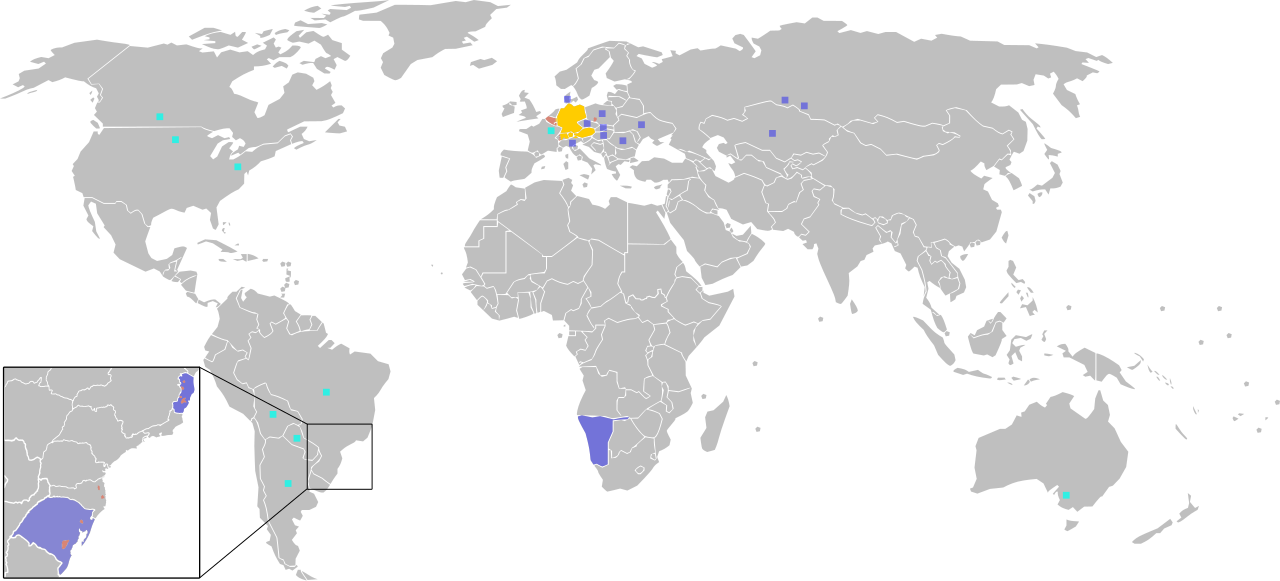
- Broad Reach: With over 100 million native speakers and a substantial number of second-language speakers, German is one of the most widely spoken languages in Europe. It's the official language in Germany, Austria, Switzerland, Liechtenstein, and Luxembourg, and a recognized minority language in several other countries.
- Digital Footprint: In the modern era, German speakers are highly active online. From vast communities on social media to dedicated streaming channels, podcasts, and online forums, German content is ubiquitous. This digital presence offers unique and authentic immersion opportunities for learners.
The Appeal for Diverse Learners
Whether you're a student eyeing an international exchange, a professional seeking to expand your market reach, or simply a hobbyist interested in culture, German presents a compelling case. Its systematic structure, once understood, can be incredibly satisfying, and the journey of mastering it reveals a language that is both precise and expressive.
Deciphering German: Key Linguistic Characteristics
Understanding the fundamental characteristics of German is crucial for any learner. While it has its complexities, a logical framework underpins its structure.
Grammar: The Backbone of German
German grammar is renowned for its structure and precision. Here are some key elements you'll encounter:
- Noun Genders: Every noun in German has a gender: masculine (der), feminine (die), or neuter (das). This can be a challenge initially, as gender often doesn't correlate with natural gender.
- Cases: German utilizes four cases – nominative, accusative, dative, and genitive – which dictate the form of nouns, pronouns, and articles based on their function in a sentence. This declension system helps define relationships between words, even with flexible word order.
- Verb Conjugation: Verbs change according to person, number, and tense. German has strong (irregular) and weak (regular) verbs, and mastering their conjugations is fundamental.
- Word Order (V2 Rule): In main clauses, the finite verb typically occupies the second position. This 'verb-second' (V2) rule gives German sentences a distinct rhythm and structure. Subordinate clauses, however, send the conjugated verb to the very end.
- Compound Nouns: One of German's most famous features is its ability to combine multiple words into lengthy compound nouns (e.g., Donaudampfschifffahrtsgesellschaftskapitän – Danube steamship company captain). While daunting, these are usually logical combinations of smaller words.
For a deeper dive into these grammatical intricacies and to build a strong foundation, you might find valuable insights in articles focused on Master German: Essential Grammar & Vocabulary.
Pronunciation: Clarity and Precision
German pronunciation is generally very phonetic; words are usually pronounced as they are written, which is a great relief compared to languages with more irregular spelling-to-sound mappings like English or French.
- Vowel Sounds: German has five basic vowels (a, e, i, o, u) and three umlauted vowels (ä, ö, ü), each with distinct short and long pronunciations.
- Consonants: Many consonants are pronounced similarly to English, but some have unique sounds (e.g., 'ch' as in ich or Bach, 'r' often rolled or guttural).
- Stress: Word stress typically falls on the first syllable or the root of the word, but there are exceptions, especially with prefixes.
Modern German in Action: From Traditional Media to Digital Streams
Learning a language is not just about textbooks; it's about experiencing how it lives and breathes in the real world. German offers a vast array of authentic content for immersion, catering to every interest and proficiency level.
Traditional and Contemporary Media
- News and Journalism: Major German newspapers (e.g., Frankfurter Allgemeine Zeitung, Süddeutsche Zeitung) and broadcasters (e.g., ARD, ZDF, Deutsche Welle) provide high-quality content for advanced learners.
- Literature and Film: Engaging with German literature, from classic novels to contemporary thrillers, and watching German films or TV series (e.g., Dark, Babylon Berlin) are excellent ways to improve comprehension and cultural understanding.
- Music and Podcasts: German music spans all genres, offering lyrical exposure to the language. Podcasts, covering everything from current events to comedy, are fantastic for auditory learning on the go.
The Digital Frontier: German Online Communities
Beyond traditional media, German thrives in vibrant online communities, offering unique and often entertaining immersion opportunities. Modern platforms have transformed how learners can interact with the language and its speakers.
You might, for instance, stumble upon engaging personalities like a "german twitch grandma" sharing her daily life, gaming adventures, or knitting projects in fluent, authentic German. Such figures exemplify how German is used dynamically and colloquially in digital spaces. Watching a german twitch grandma stream can provide invaluable exposure to natural speech patterns, regional accents, and contemporary slang, far removed from textbook dialogues. These genuine, unscripted interactions on platforms like Twitch, YouTube, or TikTok demonstrate the language's living nature, offering a window into German culture and daily life that is both entertaining and educational.
Embracing these modern resources, alongside more traditional methods, enriches the learning experience and keeps motivation high. For more comprehensive suggestions on leveraging various tools, be sure to check out Your Guide to Learning German: Resources & Tips.
Practical Tips for Mastering German
Learning German is a marathon, not a sprint. Consistency and a multi-faceted approach are key.
- Set Clear Goals: Whether it's ordering food, understanding a specific TV show, or passing a certification exam, clear goals provide direction and motivation.
- Immerse Yourself: Surround yourself with German. Change your phone language, listen to German music, watch German films with subtitles (start with German subtitles for German audio), and seek out German-speaking communities online or offline.
- Practice Regularly: Dedicate a consistent amount of time each day, even if it's just 15-20 minutes, to reviewing vocabulary, practicing grammar exercises, or speaking.
- Don't Fear Mistakes: Making mistakes is a natural and necessary part of learning. Embrace them as opportunities for growth. The goal is communication, not perfection from day one.
- Utilize Diverse Resources: Combine textbooks, language apps (Duolingo, Babbel), online courses, tandem partners, and authentic content like news, podcasts, and yes, even Twitch streams.
- Focus on Active Production: While consuming content is vital, actively producing the language—through speaking and writing—solidifies your understanding and builds confidence. Find a language partner or tutor to practice conversation.
- Embrace Compound Words: Rather than being intimidated, try to break down compound nouns into their constituent parts. This will often reveal their meaning and logic.
Conclusion
Learning German is an enriching journey that connects you to a profound cultural heritage, a robust economic landscape, and a vibrant contemporary society. While its grammar might initially seem intricate, its logical structure and phonetic clarity make it an accessible language with consistent effort. By understanding its key characteristics, leveraging a variety of traditional and modern resources – from classic literature to the lively streams of a german twitch grandma – and committing to regular practice, you can confidently unlock the vast potential that the German language offers. Embrace the challenge, enjoy the process, and prepare to discover a world of German fascinating linguistic and cultural experiences.